
Playbook / For brands
How brands run a campus creator program (and why it beats one big influencer)
For marketers: the recruit → brief → film → run → pay loop, what campus creators cost, how to structure pay, where the platforms stop and campus starts.
September 25, 2026 · 9 min read
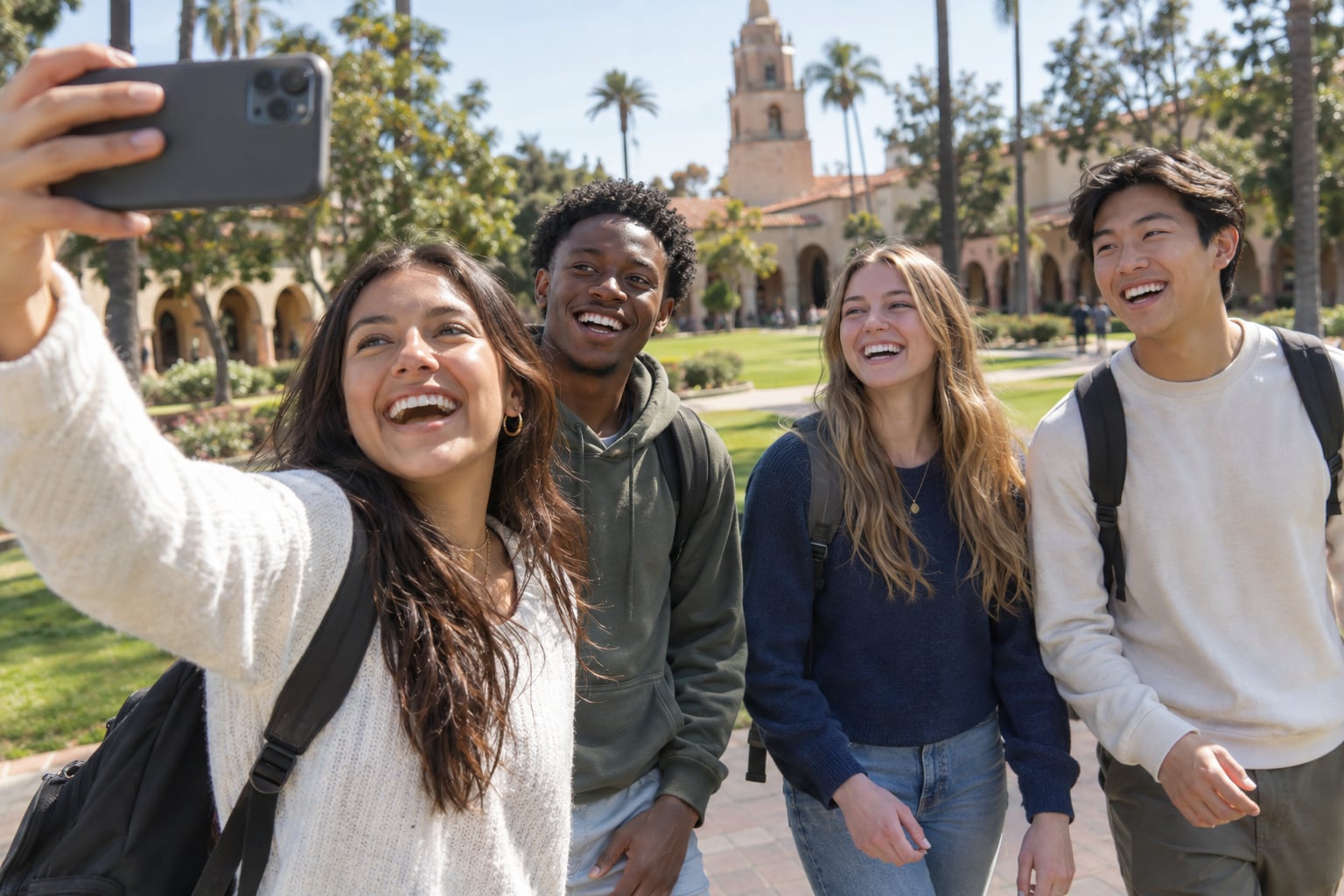
The old campus ambassador program was a table on the quad and a stack of flyers. The 2026 version is thirty students producing native video every month that you run as paid social — with the same students available for sampling and events because they're actually there. Here's how to build one.
Why campus, specifically
- The content converts. UGC filmed in dorms, dining halls and rec centers looks like the feed, not like an ad. Media buyers report it as their cheapest creative to test.
- Location you can't buy elsewhere. A launch at UCLA needs creators at UCLA. Marketplaces know a creator's niche, not their ZIP code.
- Price. Student creators list $100–$400 per video. Thirty videos for the cost of one mid-tier influencer post.
- The same crew does the physical stuff. Sampling, dorm drops, game-day content, a tour of the new store — booked from the same roster.
The loop
- Recruit by campus. Pick the schools that match your customer. Search the directory, shortlist, send one request with the goal and budget.
- Brief once. Product overview, three to five angles to test (e.g. "why I switched", "dorm unboxing", "what's in my gym bag"), length, deadline, pay, usage rights. Let creators pick the angle — self-selected content outperforms scripted.
- Ship product, collect submissions. Expect the first videos 7–10 days after product lands.
- Approve, revise or decline. Ask for a re-film rather than declining; it keeps the relationship and the approval rates honest.
- Run it. In your own ads, or as partnership ads from the creator's handle (whitelisting) for social proof in the ad unit itself.
- Pay on results. Flat on approval, commission on sales, or a share of ad spend behind the winners. One invoice; the platform pays the creators.
How to structure pay
| Model | Use when | Typical terms |
|---|---|---|
| Flat per video | Testing angles, building a library | $100–$400, ads usage included, 12-month term |
| Commission | You have tracking and a product that sells on impulse | 10–15% of attributed sales, weekly |
| Ad-spend share | You scale winners hard | 5–10% of spend behind that creator's ads |
| Hybrid | Most programs | Small flat + commission; creators like the floor, you like the alignment |
| Activation | Sampling, events, drops | $150–$400 per creator-day plus content |
Where the marketplaces stop
Platforms like Trybe are excellent at the back half of the loop — submissions, Meta launch, attribution, payouts. What they don't have is a campus. You can't filter for "physically at San Diego State", and you can't book a rec-center sampling from a submission inbox. A campus-first directory feeds the front of the funnel; you can still run the videos anywhere you like.
Sizing a first program
Ten creators at one or two campuses, $2–5k, one brief with four angles, 30 days. You'll end with 25–40 videos, two or three clear winners, and a shortlist of creators worth a standing retainer. Then expand by campus, not by follower count.
Compliance notes
Creators posting on their own accounts must disclose (#ad). Student-athletes have NIL rules; ask. Never require content that violates a school's policies (filming in restricted spaces, alcohol on campus, etc.). Usage rights and term belong in the brief, not in a DM.